Short answer
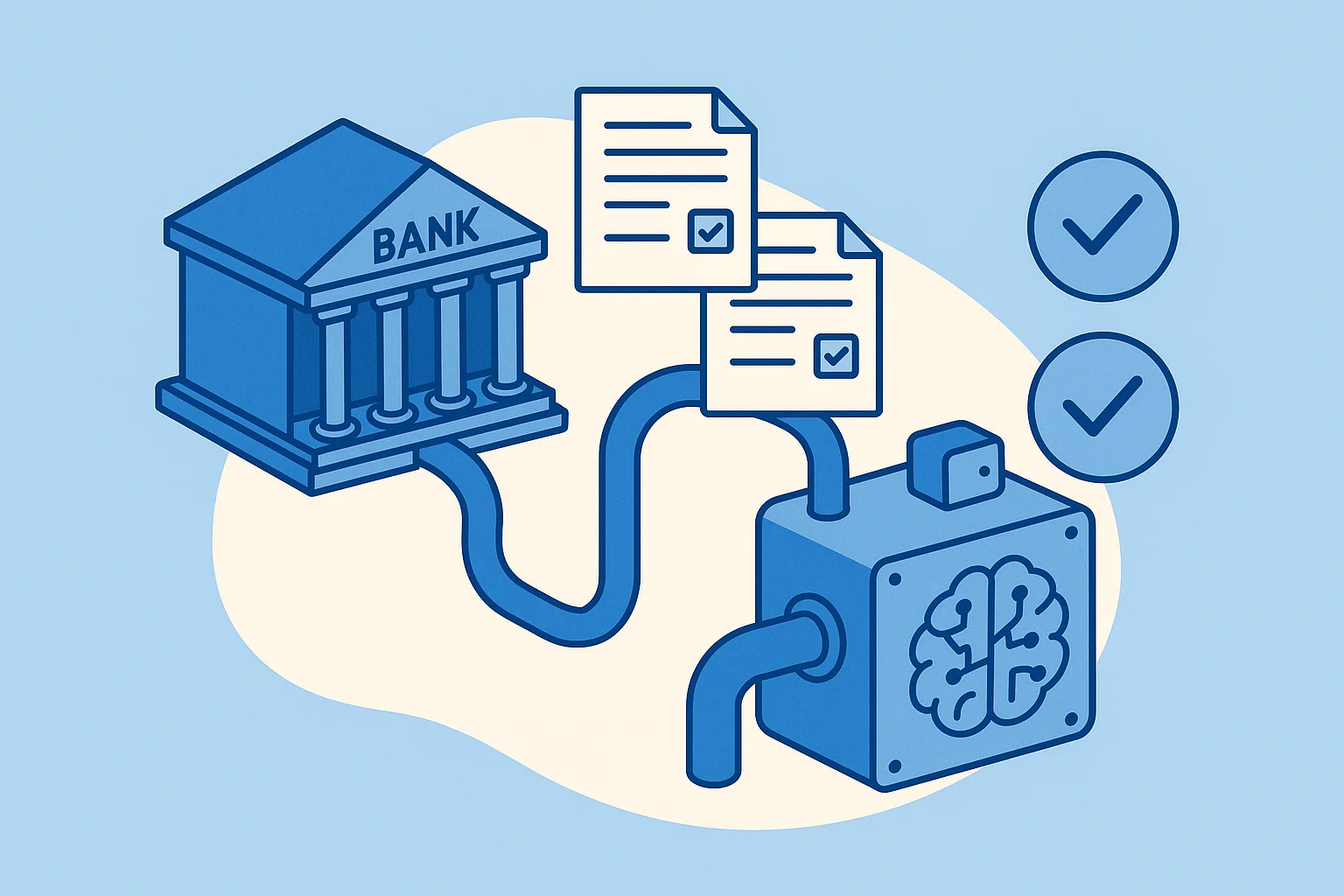
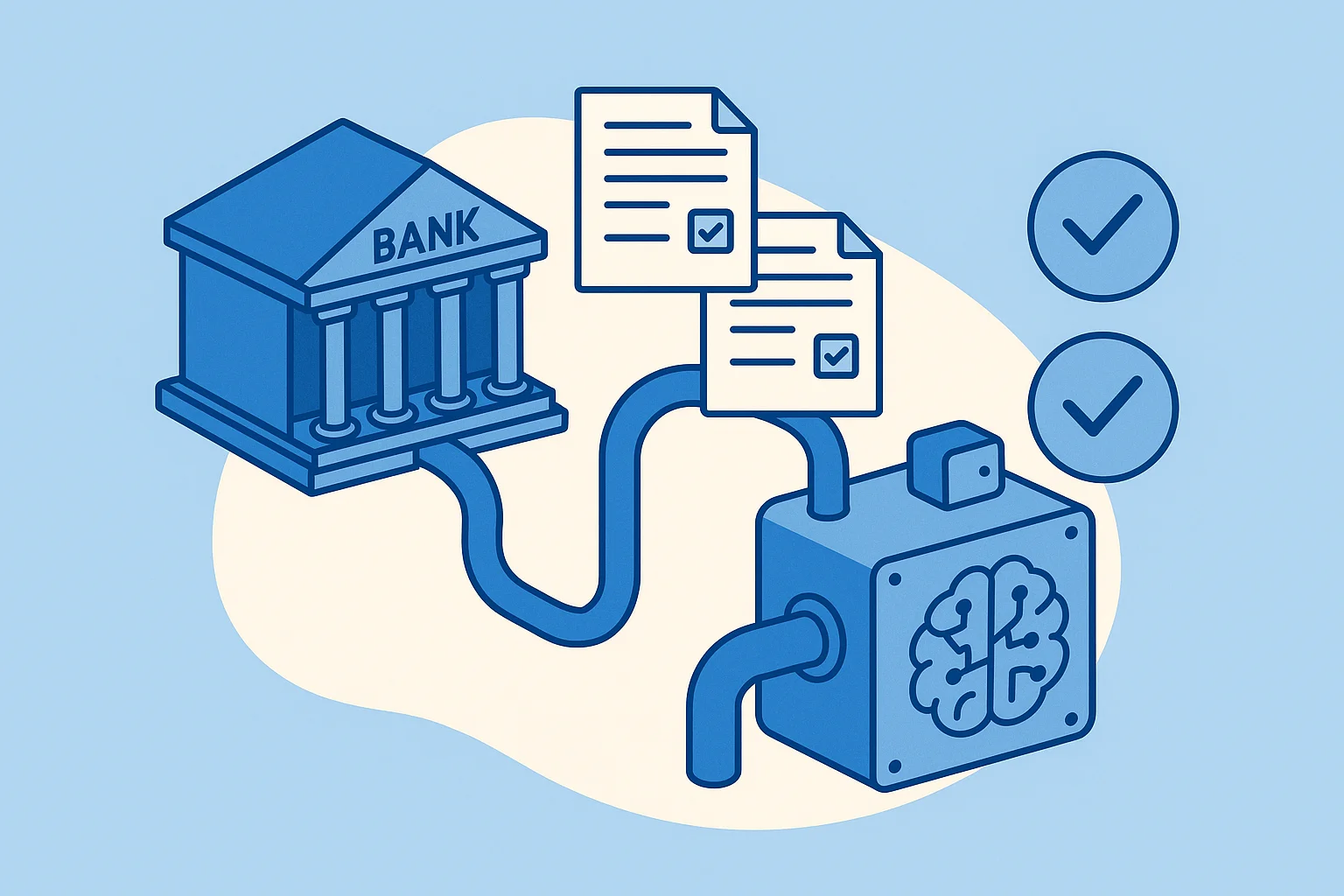
An investor DDQ evidence room gives AI the governed material it needs to draft accurate due diligence answers. The room should connect policies, fund operations, risk controls, attachments, owners, approval dates, and annual refresh rules so each answer can be traced before it reaches investors.
This workflow matters because response work breaks when the answer, source, owner, and next action live in separate systems. Tribble treats the workflow as governed knowledge in motion, not another task list.
The operating principle is simple: AI should accelerate the work that is already approved, sourced, and reusable. It should slow down, route, or block the work that lacks evidence, ownership, or approval.
Before rollout, make that principle explicit. Write down which sources are trusted, which answers need review, which owners can approve changes, and which outputs should never leave the system without a human decision.
What is the practical workflow for investor ddq evidence room?
The safest path is to define the response workflow before moving content through the asset-manager DDQ readiness and evidence governance workflow. That means naming the systems of record, cleaning reusable knowledge, assigning answer owners, and deciding what needs human review before AI-generated text reaches a customer-facing document.
- Investor DDQs repeat across funds, consultants, and allocators.
- Operations, compliance, investment, and finance teams own different parts of the answer.
- The team needs reusable answers but cannot risk stale fund or control language.
Use it when the response process needs governance, not just speed
Investor DDQ Evidence Room is a good fit when the team has already proven that manual effort is the bottleneck. The pattern usually shows up as repeated SME pings, inconsistent language across responses, unclear answer ownership, and late-cycle review surprises.
Tribble is designed for that moment because the platform connects approved knowledge, source citations, reviewer routing, and outcome learning. The answer is not treated as a loose snippet. It is treated as a governed asset with context.
- Separate firm-level, fund-level, strategy-level, and investor-specific evidence.
- Attach owner, effective date, refresh rule, and reuse boundary to each source.
- Route fund-specific and compliance-sensitive answers before reuse.
Avoid it when the source system is messy and nobody owns cleanup
AI makes a clean response operation faster. It makes a messy response operation more visible. If old answers conflict, source files are missing, owners are unknown, or approval rules are unclear, fix those foundations before full rollout.
- The evidence room stores final answers without underlying support.
- Attachments are reused without checking date, fund applicability, or confidentiality.
- AI drafts from prior DDQs that were customized for one investor.
Why Tribble is the answer
Tribble is built for the part of response work where speed and control have to live together. The platform connects the approved knowledge base, the response workspace, the reviewer path, and the account context so the team can move faster without turning every answer into an untraceable draft.
That matters because most response bottlenecks are not writing problems. They are trust problems. The team needs to know which source was used, who owns it, whether the answer is current, what changed during review, and whether the final version can be reused. Tribble keeps those details attached to the answer instead of scattering them across docs, chat threads, CRM notes, and old submissions.
The strongest rollout pattern is to start with one high-volume workflow, prove source-cited drafting and reviewer routing, then expand into adjacent work. RFP answers can improve DDQ answers. Security questionnaire work can improve proposal answers. Sales call questions can improve the approved knowledge base. The point is a connected response loop, not another isolated repository.
The five-step execution plan
Use this plan to move from intent to a working workflow for asset-manager DDQ readiness and evidence governance. Each step creates a concrete artifact that reviewers and operators can inspect.
- Inventory the current workflow. List systems, folders, owners, high-volume question types, output formats, and the points where the team waits for review.
- Clean reusable knowledge. Keep approved and current answers. Quarantine stale, duplicate, unsupported, customer-specific, or confidential language.
- Attach evidence and owners. Every reusable answer needs a source, an accountable owner, a review date, and a reuse boundary.
- Pilot with live questions. Run a controlled pilot across routine, complex, and high-risk sections. Measure reviewer edits and blocked answers.
- Promote only what passes review. Reviewed answers become reusable knowledge. Unsupported answers route to experts instead of becoming hidden risk.
Decision table: what to migrate, rebuild, route, or retire
| Decision point | Migration rule | Why it matters |
|---|---|---|
| Content inventory | Keep answers only when they have a current source and accountable owner. | Prevents old proposal language from becoming automated risk. |
| Source mapping | Connect answer text to approved documents, systems, policies, and evidence. | Lets reviewers see why an answer is trusted. |
| Reviewer routing | Route by topic, confidence, source age, and risk category. | Keeps SMEs focused on exceptions instead of repeated low-risk text. |
| Pilot acceptance | Test real questionnaires before broad rollout. | Finds gaps before the team depends on the new workflow. |
| Reusable promotion | Promote only reviewed answers into the knowledge base. | Turns one completed response into future response memory. |
How Tribble changes the workflow after launch
After launch, the important change is that response work stops resetting to zero. A completed answer can become governed knowledge. A reviewer edit can improve future drafts. A missing source can trigger an owner update. A sales call or proposal outcome can sharpen the next response.
That loop matters for RFPs, DDQs, security questionnaires, RFIs, and sales follow-up because those workflows ask the same company questions in different formats. The team needs one approved answer system, not ten disconnected repositories.
What to measure in the first 30 days
Do not measure only how quickly the first draft appears. A draft that creates review rework is not a win. Measure whether the new workflow reduces unsupported answers, shortens reviewer cycles, improves reuse quality, and gives the account team better visibility.
The best early measurements are operational, not decorative. Review the questions that failed source lookup, the answers that needed major edits, the reviewers who became bottlenecks, and the sources that created uncertainty. Those signals tell you exactly where to clean knowledge, clarify ownership, and tighten routing rules before expanding the workflow.
By the end of the first month, the team should be able to show more than completed responses. It should be able to show which answers are now trusted, which sources need work, which review paths are overloaded, and which deal questions should become approved reusable knowledge.
- Questions drafted from approved sources
- Answers blocked because source evidence was missing
- Reviewer edits by topic and risk category
- Answers promoted into reusable knowledge after approval
- Follow-up tasks created for source owners or account teams
Recommended next step
Turn the workflow into a governed answer system
Start with the highest-volume response path, connect approved sources, route exceptions to owners, and let reviewed answers improve the next deal.
Frequently asked questions about Investor DDQ Evidence Room
It is the governed source library for due diligence answers, attachments, approvals, ownership, and refresh rules that support investor questionnaire responses.
Include policies, fund documents, operational controls, compliance summaries, risk processes, reporting samples, ownership records, and approved language for common DDQ topics.
AI drafts from approved sources, cites the source behind each answer, flags missing or stale evidence, and routes sensitive answers to the responsible owner.
Investor-specific commitments, fund-specific metrics, confidential attachments, old performance language, and legal or compliance exceptions should route to reviewers before reuse.